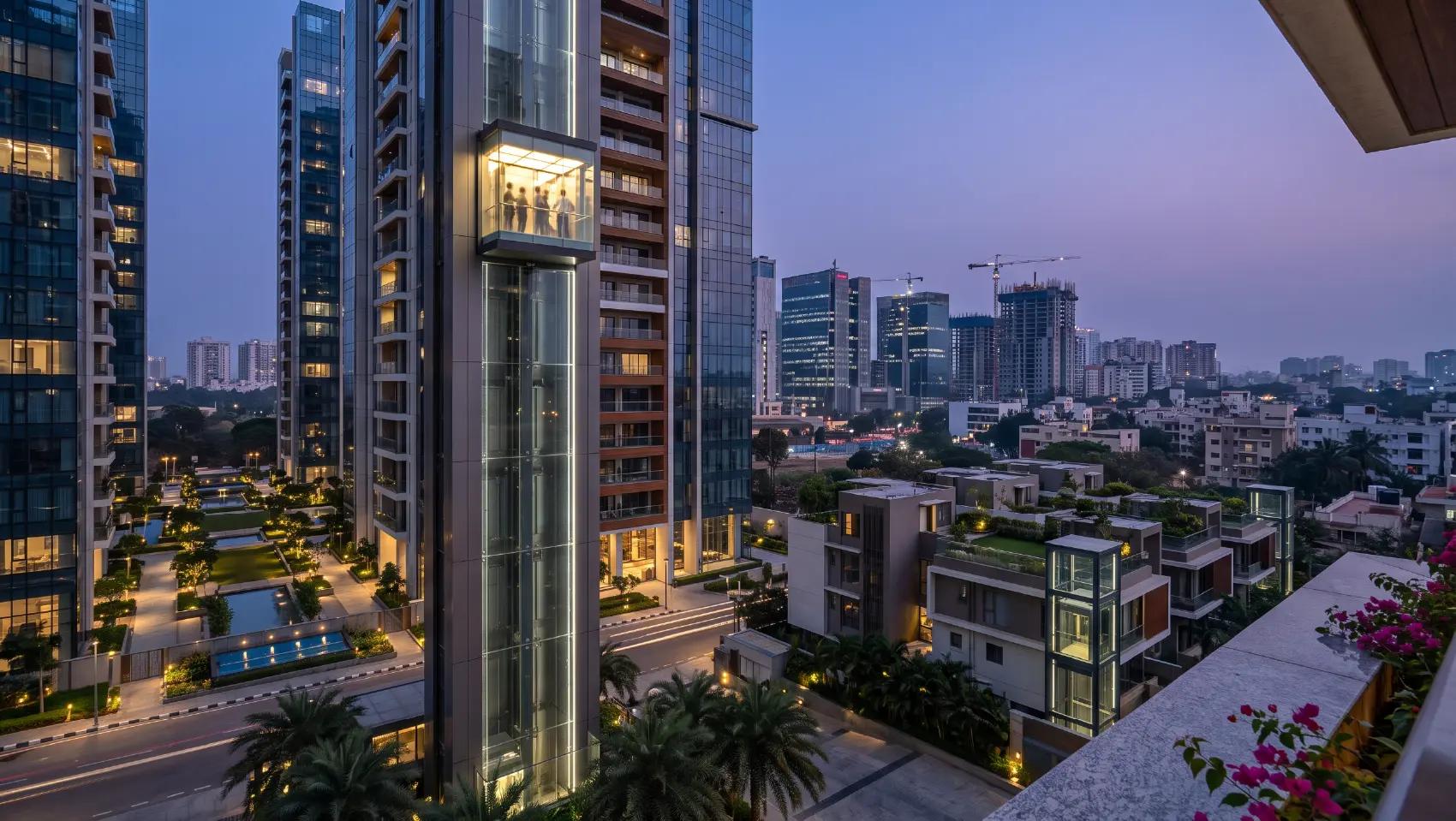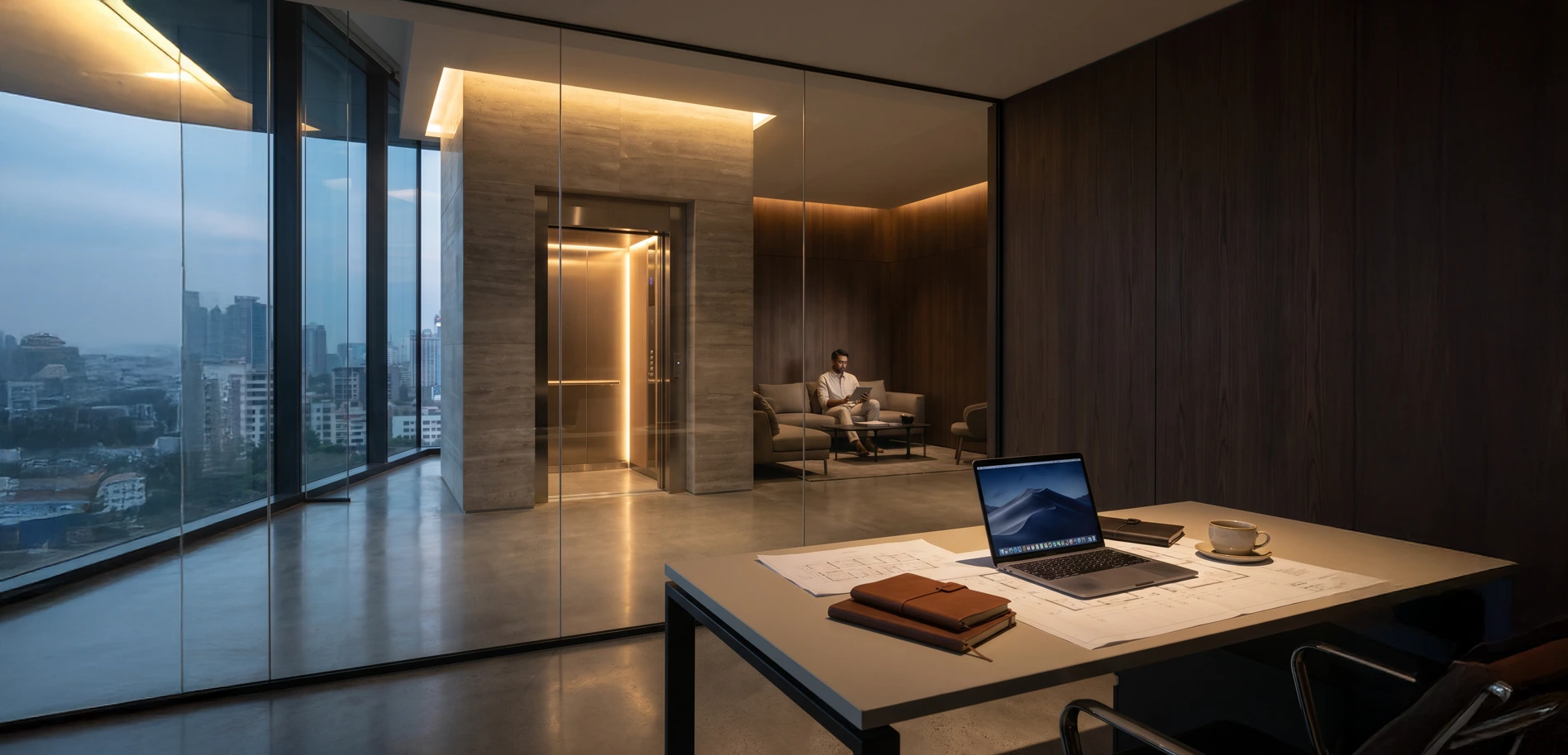
Selecting an elevator is one of the most critical structural and financial decisions architects, builders, and homeowners face. Beyond moving people between floors, a well-chosen vertical mobility system enhances building efficiency, increases property value, and ensures long-term safety.
With numerous options—ranging from compact home lifts to high-speed commercial systems—how do you determine the best fit for your space?
Here is a structured framework from Teknix Elevators to help you evaluate your requirements and choose the right elevator for your building.
1. Identify Your Building Type & Intended Use
The function of your property dictates the core specifications of the elevator:
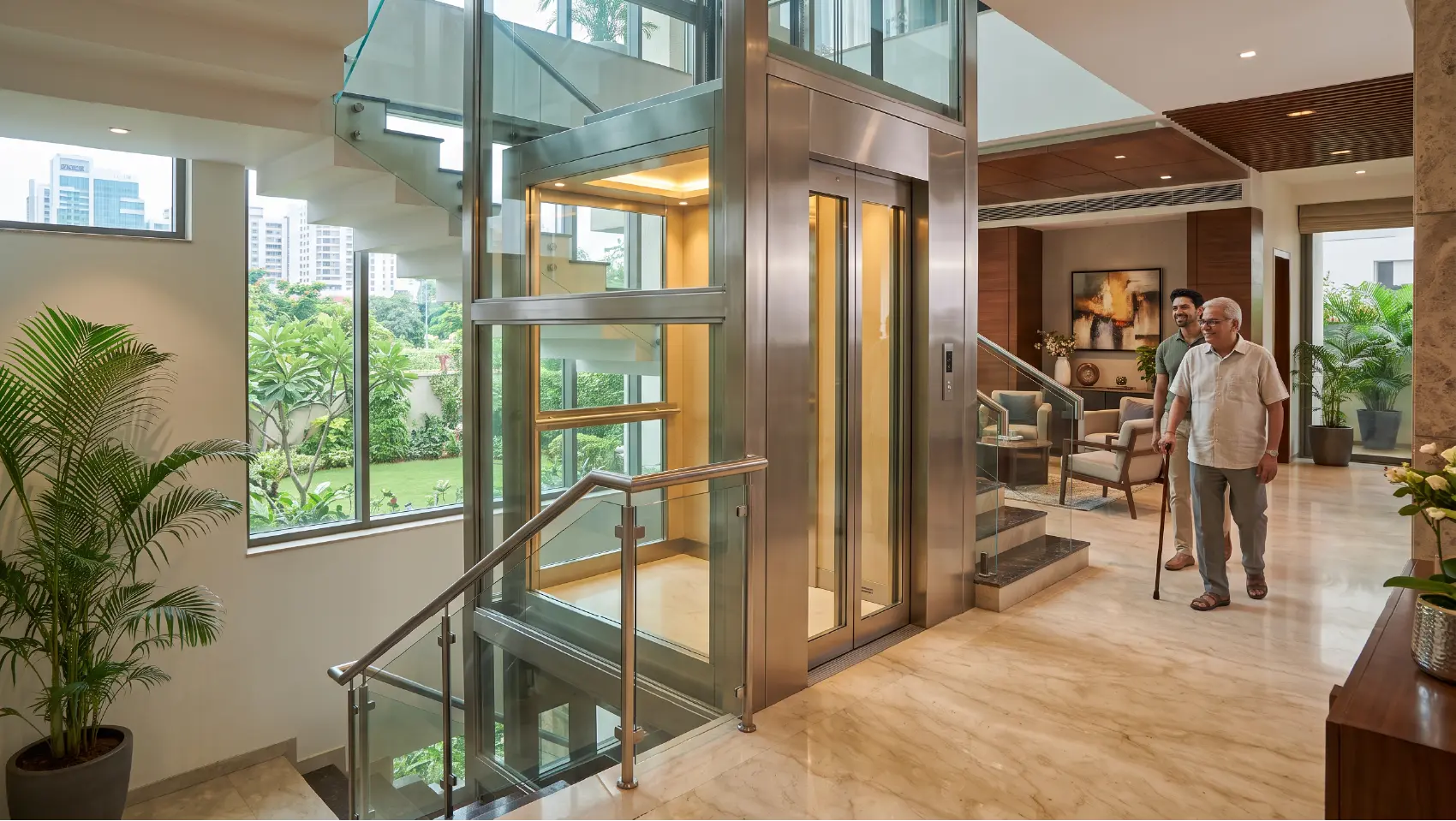
- Luxury Private Residences & Villas: Require space-saving, quiet, and aesthetic options that complement interior décor. Solutions like the Villa Matek series offer compact footprints without requiring extensive shaft pits.
- Multi-Storey Residential Apartments: Prioritize high duty-cycle performance, energy efficiency, and smooth, quiet operations for high daily passenger traffic.
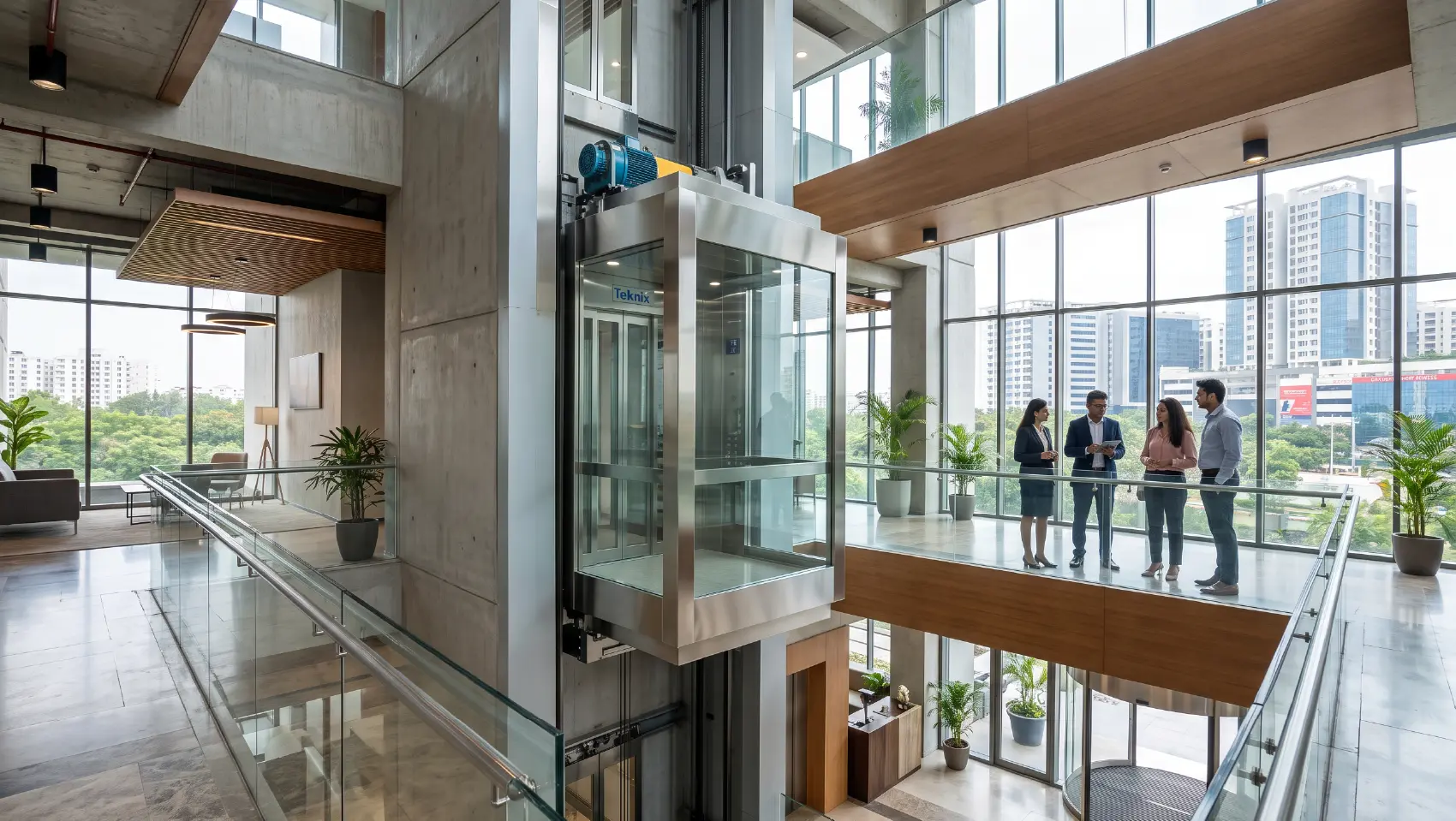
- Commercial Buildings & Offices: Demand high speed (up to 8 m/s), large weight capacities, and advanced group control systems to minimize waiting times during peak hours.
2. Compare Drive Technologies: Hydraulic vs. Traction Systems
Understanding elevator mechanics is essential when selecting the underlying technology for your shaft:
A. Gearless Traction Drive Systems
Powered by permanent magnet synchronous motors (PMSM) and gearless technology, traction systems are ideal for mid-to-high-rise buildings.
- Pros: High-speed capability, smooth acceleration, and up to 45% lower power consumption.
- Featured Tech: Explore the Greentek Series for eco-friendly, energy-efficient gearless performance.
B. Precision Hydraulic Drive Systems
Hydraulic elevators operate using a fluid-driven piston, making them suitable for low-rise homes, duplexes, and retrofit projects.
- Pros: Low overhead clearance requirements, flexible machine room placement, and smooth starts/stops.
- Featured Tech: The Teknix Hydratek line consumes 20% less power than traditional hydraulic units while offering dynamic cabin noise isolation.
3. Calculate Traffic Flow, Load Capacity, and Speed
Choosing the wrong load rating leads to bottlenecking or unnecessary power consumption.
| Building Type | Recommended Capacity | Recommended Speed | Key Consideration |
|---|---|---|---|
| Private Home / Villa | 270 kg – 400 kg (3 to 5 Persons) | 0.3 m/s – 1.0 m/s | Compact footprint & aesthetics |
| Residential Apartment | 408 kg – 1000 kg (6 to 15 Persons) | 1.0 m/s – 1.75 m/s | Sturdy, wear-resistant interiors |
| Commercial / Mixed-Use | 1000 kg – 2500 kg+ | 1.75 m/s – 8.0 m/s | Fast floor-to-floor transit |
4. Prioritize International Safety & Compliance
Safety standards are non-negotiable. Ensure the elevator system incorporates German-engineered safety mechanisms and international design compliance:
- Automatic Rescue Device (ARD): Moves the cabin to the nearest floor and opens doors automatically during power outages.
- Infrared Light Curtains: Full-length door sensors that prevent closure when an obstruction is detected.
- Overrun Protection & Triple-Layer Limit Switches: Prevents unintended car movement beyond calibrated terminal points.
5. Customization, Aesthetics & Maintenance
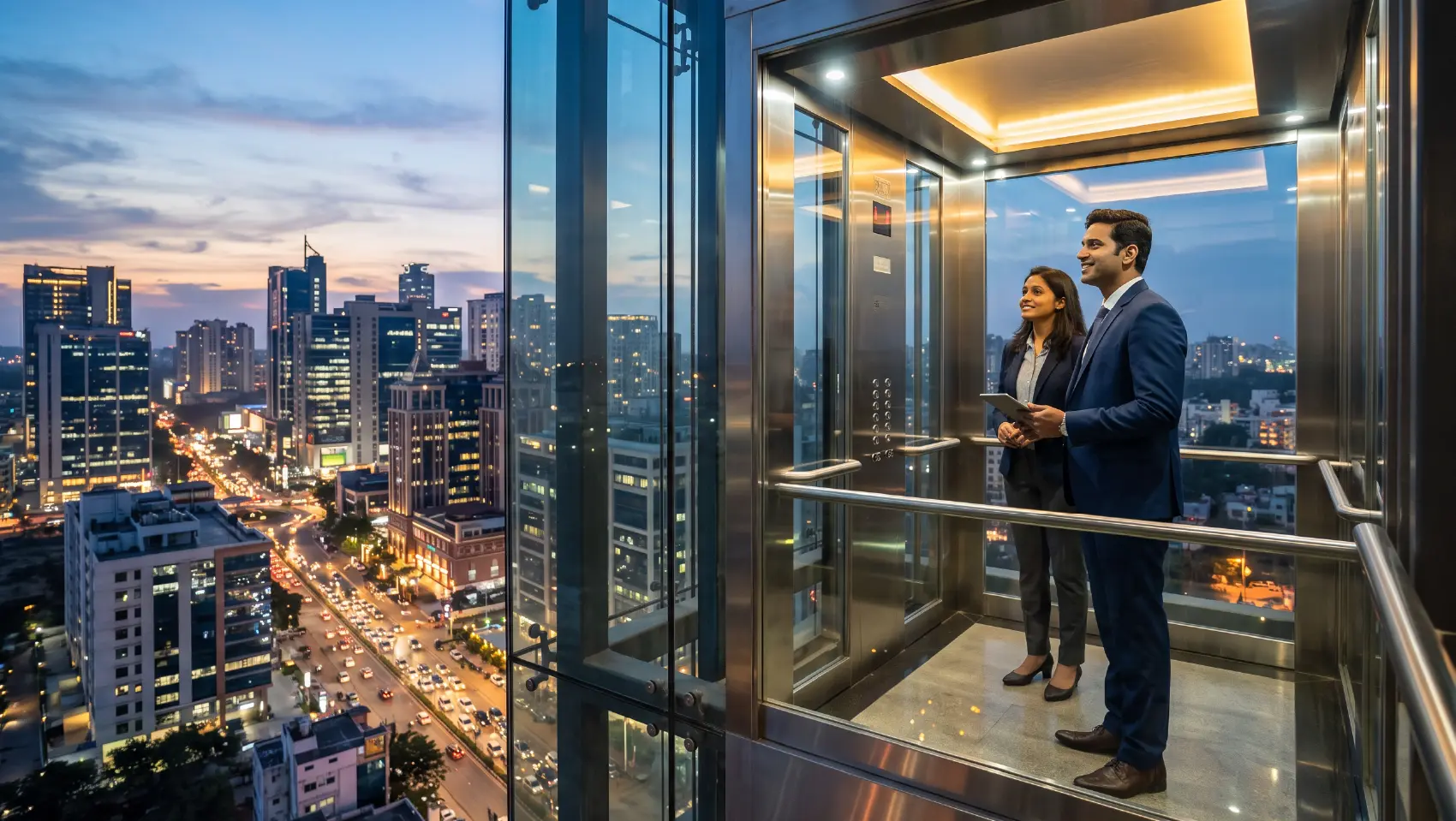
Elevators contribute to your property's overall design language. Look for customizable options, such as hairline stainless steel finishes, panoramic glass cabs, TFT LCD displays, and custom marble floorings.
Equally important is long-term maintenance. Choose an OEM that offers structured maintenance packages. Review available post-installation coverage through the Teknix Maintenance & Services Division.
See The Engineering Firsthand
Selecting an elevator is best done by evaluating materials, drives, and cabin finishes in person.
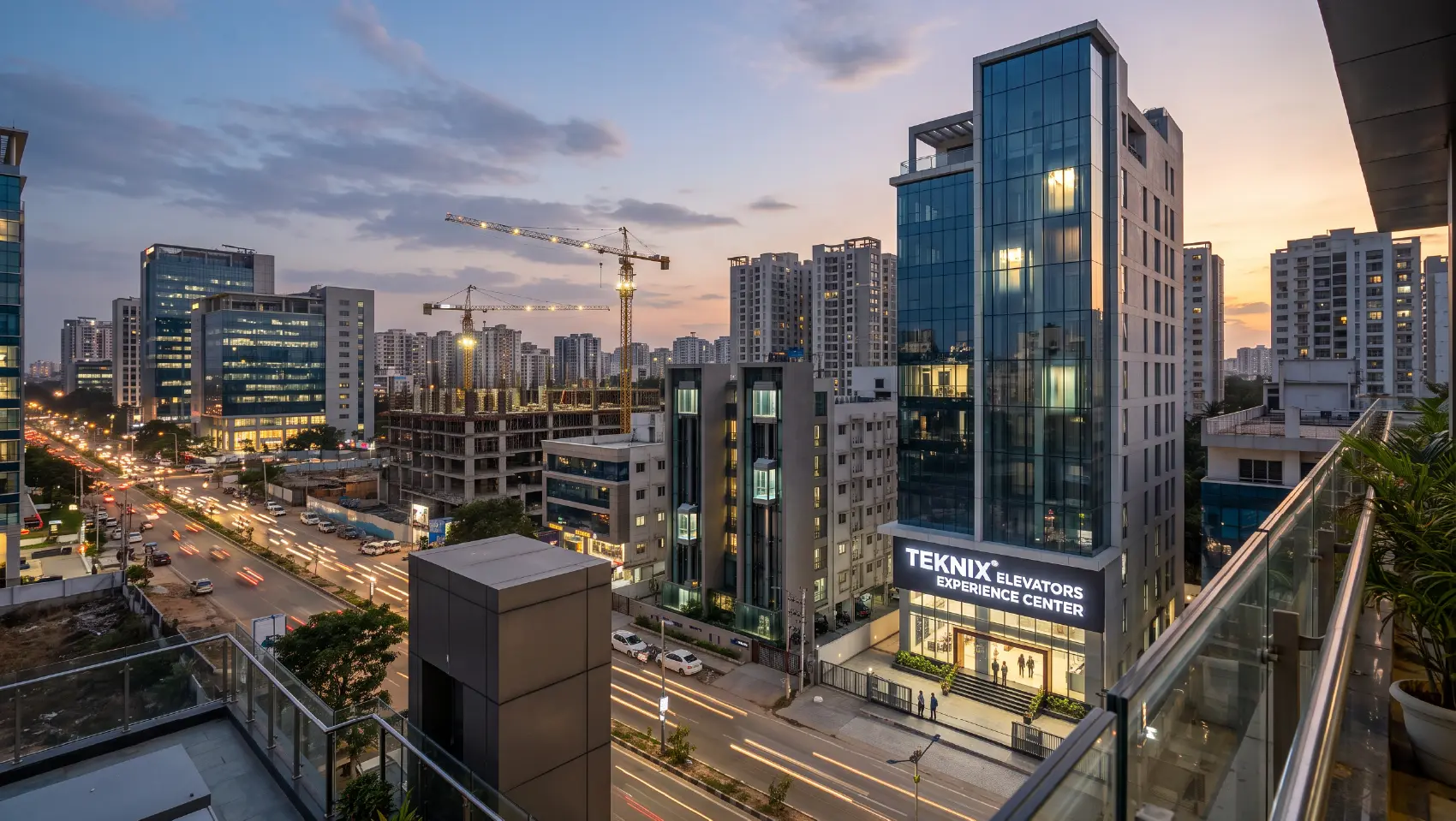
Visit the Teknix Experience Center to interact with 12 unique, live elevator models and consult directly with vertical mobility engineers.